


US Driver License

California Driver's License List Free 30 question Practice Test  

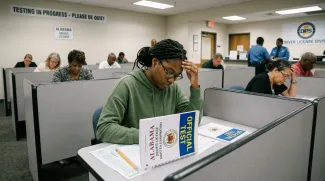
Before obtaining a driver’s license in California, applicants must pass a series of tests designed to ensure their knowledge of driving laws and safe driving practices. This article will cover the different tests you may encounter, including the vision test, knowledge test, and behind-the-wheel driving test. Understanding these components is crucial for successful completion of the licensing process.

New Jersey Driver License Test Questions and Answers

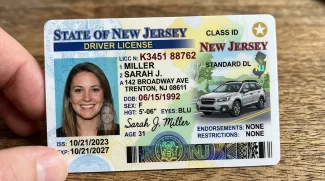
get a driver's license in New Jersey, you will need to follow the steps outlined by the New Jersey Motor Vehicle Commission (MVC). Here is a general overview of the process:

  1. Determine if you are eligible to get a driver's license in New Jersey. To be eligible, you must be at least 16 years old and have completed a state-approved driver education course or have a valid out-of-state driver's license. You must also be able to pass a vision test and a written knowledge test.

Pennsylvania Driver License Test

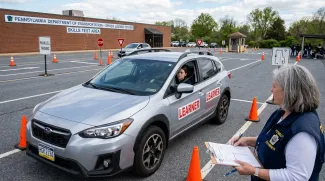
In Pennsylvania, obtaining a driver's license typically involves two main steps: passing a learner's permit test and successfully completing a road test.

Learner's Permit Test

Before getting a driver's license, you'll need to obtain a learner's permit. To do this, you'll need to pass a written knowledge test that covers traffic laws, road signs, and safe driving practices. The test is usually administered at a PennDOT Driver License Center. You can prepare for this test by studying the Pennsylvania Driver's Manual, which is available on the PennDOT website.

Nebraska Driver license

Nebraska Driver License Requirements and Practice Exam

Obtaining a Driver's License in Nebraska

In order to obtain a driver's license in Nebraska, you must be at least 16 years old and pass a written test, a vision test, and a driving test. You will also need to provide:

  • Proof of your identity.
  • Proof of your Social Security number.
  • Proof of your Nebraska residency.

You may also be required to take a driver's education course and pass a written test on traffic laws.

60 questions of Maine Driver’s License Test

To pass the knowledge test for a driver's license in Maine, you must answer 24 out of 30 questions correctly. This test ensures that you understand important driving rules, traffic signs, and safe driving practices necessary for operating a vehicle on Maine roads.

Below are 60 important questions that may be asked during the test. These questions cover a wide range of topics including road signs, right-of-way rules, safe driving practices, and emergency procedures. Try answering them to assess your readiness for the test.

Pennsylvania driver license knowledge test

Pennsylvania’s driving laws and regulations are designed to ensure the safety of all road users. Whether you are a new resident, a young driver obtaining your first license, or a visitor, understanding these rules and safe driving practices is essential for a smooth driving experience in the state. The Pennsylvania Driver License Knowledge Test is a crucial step in obtaining a valid driver's license.

Pennsylvania driver's license Questions and Answers

To get a driver's license in the state of Pennsylvania, you will need to pass a written knowledge test and a road test. The written test covers traffic laws, road signs, and safe driving practices. It is based on the information contained in the Pennsylvania Driver's Manual, which you can find online or at any PennDOT driver license center.

Kansas Driving license Test 20 Random Question

Obtaining a driver's license is a significant milestone in one's life, as it symbolizes not only the freedom to explore the open road but also a heightened responsibility for safety. In the state of Kansas, this journey begins with the Kansas Driver License Test, a critical step in the process of becoming a licensed driver.

This test is designed to assess your knowledge of the rules of the road and your ability to operate a vehicle safely. Successfully passing the test is a crucial part of ensuring that drivers are responsible and well-prepared for the challenges of the road.